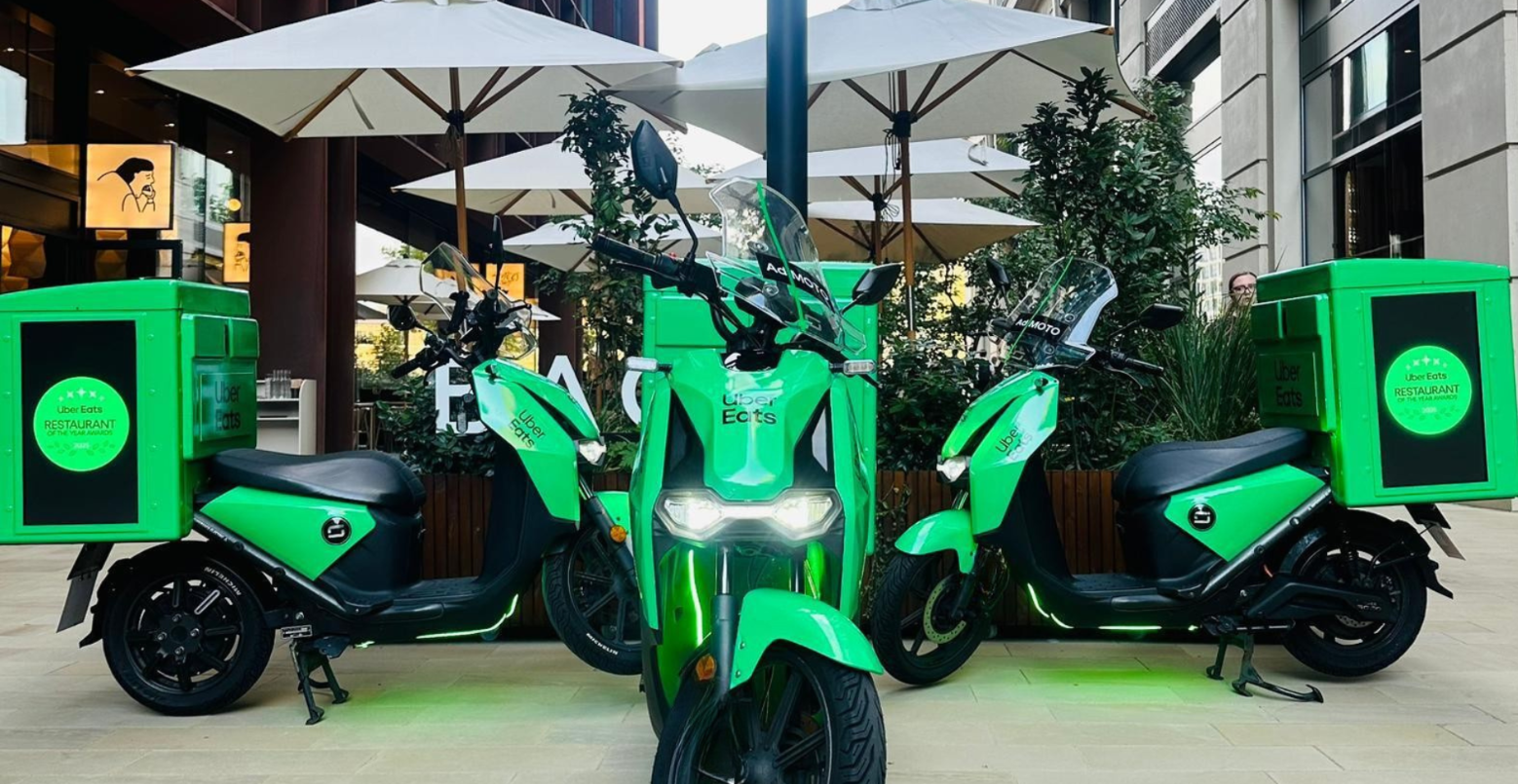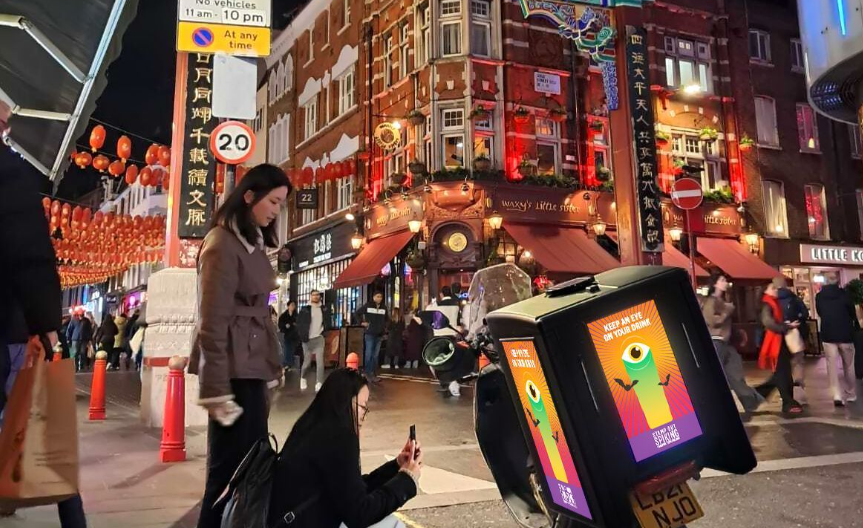

Marketing professor Byron Sharp revolutionised brand thinking with a simple insight: “You can’t buy what you can’t remember, and you can’t remember what you’ve never noticed.” His framework centres on two critical concepts that every brand must master.
Mental and Physical Availability
Mental availability is the probability your brand comes to mind in buying situations. It’s not about loyalty or persuasion, it’s about being remembered when it matters. Most brands are recalled for just one or two entry points. Successful brands? They own five or more.
Physical availability is how easy it is to find and buy your brand. For services, this isn’t about shop shelves, but it’s about moment-of-need visibility. Think Uber when you need a ride, Deliveroo at dinner time, or insurance brands when you’re buying a house.
The Power of Distinctive Assets
Coca-Cola’s red. McDonald’s golden arches. These distinctive brand assets work because they’re recognised even when partially obscured. Out-of-home advertising is perfect for reinforcing these assets, it’s a glance medium, not a reading medium. Repetition, not persuasion, builds mental availability through those milliseconds of attention that create months of memory.


Why Mobile OOH Changes Everything
Traditional out-of-home creates physical presence, but only in fixed locations. Consumer habit patterns mean they reach plateaus quickly. The solution? Distribute your advertising like you distribute your product.
Mobile OOH creates multiple distribution points. Advertise food brands outside offices during lunch, then outside residential areas during the evening commute. Coffee brands can follow morning commute routes. Financial services can target business districts when decisions are being made.
This is what we call “virtual distribution”, being present in the purchase consideration space wherever your audience goes.
The Ad|MOTO Advantage
Mobile OOH serves both objectives simultaneously. It delivers the repetition of distinctive assets across multiple exposures (mental availability) while maintaining presence at multiple locations and moments (physical availability). Unlike static media, mobile formats reach both potential consumers and existing buyers more effectively.
Peter Field’s analysis of IPA data confirms that digital OOH formats significantly outperform traditional static displays in driving brand engagement and mental availability. NeuroInsights’ studies show enhanced cognitive processing and recall for evolving versus static formats.
The key insight? Situations, not loyalty, trigger purchases. Your brand needs to be present, distinctive, and remembered across the category entry points that matter to your audience. Mobile OOH makes that possible at scale.